Are casinos designed to keep you playing longer?
The Psychological Tactics Behind Casino Design
Casinos strategically employ a variety of psychological techniques to create an immersive environment that encourages players to stay longer than they intended. One prominent strategy involves the use of bright lights and vibrant colors, which are specifically chosen to evoke excitement and stimulate positive emotions. The atmosphere is further enhanced by the sounds of slot machines paying out, the clattering of chips, and the lively chatter of fellow gamers, making the online casino fast withdrawal uk experience even more enticing. This sensory overload can make it easy for players to lose track of time, as they become engrossed in the thrilling ambiance surrounding them.
Moreover, the deliberate absence of clocks and windows within casinos plays a crucial role in manipulating time perception. By eliminating external cues that indicate the passage of time, casinos create an environment where players can easily become absorbed in their gaming experience. This illusion of timelessness fosters prolonged gaming sessions, as individuals become so wrapped up in the excitement that they neglect to monitor how many hours have elapsed. This design choice is not merely coincidental; it is a calculated effort to keep players engaged and playing longer.
Additionally, casinos frequently utilize the psychological concept of near-misses and partial wins. Players often experience thrill and excitement when they come close to winning, even if they do not achieve the jackpot. This phenomenon triggers a dopamine response in the brain, compelling players to continue playing in hopes of finally securing a win. Such elements are meticulously engineered to manipulate emotions and behavior, ensuring that players remain captivated by the gaming experience.
The Layout and Flow of Casinos
The physical layout of a casino is carefully designed to drive foot traffic and maintain player engagement. High-traffic areas are populated with popular slot machines and table games, ensuring that players are always surrounded by appealing options. This arrangement encourages a natural flow from one gaming area to another, making it seamless for players to transition between different games without feeling disrupted. This strategic layout not only enhances the gaming experience but also fosters a sense of discovery, leading players to explore various options and ultimately spend more time on the casino floor.
Furthermore, the placement of amenities such as bars, restaurants, and lounges is not random; it is intentional. By situating these social spaces close to the gaming area, casinos create opportunities for players to take breaks while still remaining immersed in the casino environment. This design choice allows patrons to recharge and refresh without ever fully exiting the gaming experience, thereby extending their overall time spent in the casino. The convenience of accessible amenities contributes to a more enjoyable experience, encouraging players to stay longer.
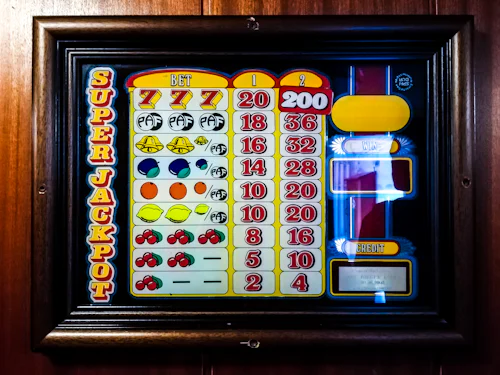
Another aspect of casino layout design involves the use of strategic “dead zones,” or areas with minimal activity. These zones can generate a sense of anticipation and curiosity, prompting players to venture deeper into the casino in search of more engaging games or features. As players navigate through these less active spaces, they are likely to encounter new machines or tables that capture their interest, enticing them to extend their playtime beyond their initial intentions. This clever manipulation of space encourages exploration and prolonged engagement.
The Role of Rewards Programs
Casinos have implemented rewards programs designed to foster player loyalty and encourage continued gaming. These loyalty initiatives often involve a points system, where players accumulate points that can be redeemed for a variety of perks such as complimentary meals, luxury hotel stays, or exclusive access to special events. This system incentivizes players to keep playing, creating a psychological commitment to the casino. The more time and money players invest, the stronger their rationale becomes to return, fostering a long-term relationship between the player and the casino.
The tiered structure of many loyalty programs adds another layer of motivation for players. As they reach higher tiers, they unlock even more exclusive rewards that enhance their sense of accomplishment and status within the casino environment. This can lead to a competitive mentality among players, as they strive to maintain or elevate their membership level through increased gaming time. Such dynamics can distort players’ perspectives on their gaming habits, leading them to spend more time and money than they had originally planned.
Additionally, casinos frequently employ limited-time promotions and exclusive rewards to create a sense of urgency among players. These enticing offers, such as bonus points or multipliers available for a short period, encourage players to act quickly and return to the casino. This strategic use of urgency can draw players back in, extending the duration of their play as they rush to take advantage of these fleeting opportunities. The combination of loyalty incentives and time-sensitive rewards is a robust strategy aimed at keeping players engaged for extended periods.
The Influence of Social Dynamics
Social interactions significantly enhance the gaming experience within casinos. Designed to be social environments, casinos encourage players to engage with one another, whether at tables or around slot machines. The presence of other players amplifies excitement, especially in games that involve strategy or teamwork, such as poker or blackjack. This social aspect can lead to prolonged gaming sessions, as individuals are more inclined to remain engaged when surrounded by a vibrant community of fellow gamers, enhancing the overall enjoyment of the casino experience.

Moreover, casinos often host events, tournaments, and live entertainment, which can attract crowds and elevate the atmosphere. When players are not just competing against machines but also actively interacting with other participants, it fosters a sense of camaraderie and competition. This social bonding can create a more immersive experience, encouraging players to extend their time within the casino to enjoy both the gaming activities and the social interactions that accompany them.
Interestingly, the role of alcohol cannot be overlooked in influencing social dynamics at casinos. Many establishments offer complimentary drinks to players, which can lower inhibitions and increase spending. While players may initially appreciate this generosity, the effects of alcohol can impair decision-making regarding time and money. In social settings, this may translate into longer playtimes as individuals become less aware of their spending limits or the passage of time, further extending their overall gaming experience.
Exploring Responsible Gaming Practices on Casino Websites
As the conversation around responsible gaming gains traction, many casino websites are proactively adopting measures to promote safer gambling practices. These platforms often provide resources and tools that help players manage their gaming behaviors, such as self-exclusion options and spending limits. By integrating these features, casinos aim to cultivate a culture of responsibility, ensuring that players can enjoy their gaming experience without compromising their well-being or financial stability.
Additionally, many casino websites offer educational content about the risks associated with gambling and the importance of recognizing the signs of problem gambling. By equipping players with knowledge and awareness, these platforms encourage more informed decision-making. This transparency not only demonstrates a commitment to player welfare but also fosters trust between casinos and their patrons, ultimately contributing to a healthier gaming environment.
While the entertainment aspect of casinos is undeniable, prioritizing responsible gaming practices must remain a core focus for both land-based and online environments. Casino websites that successfully balance engaging content with strong responsible gaming initiatives are better positioned to create a healthier gaming culture. This not only benefits the players but also enhances the overall reputation of the casino industry, reflecting a commitment to the well-being of all participants.